Safety in Djibouti: official advice and areas to avoid
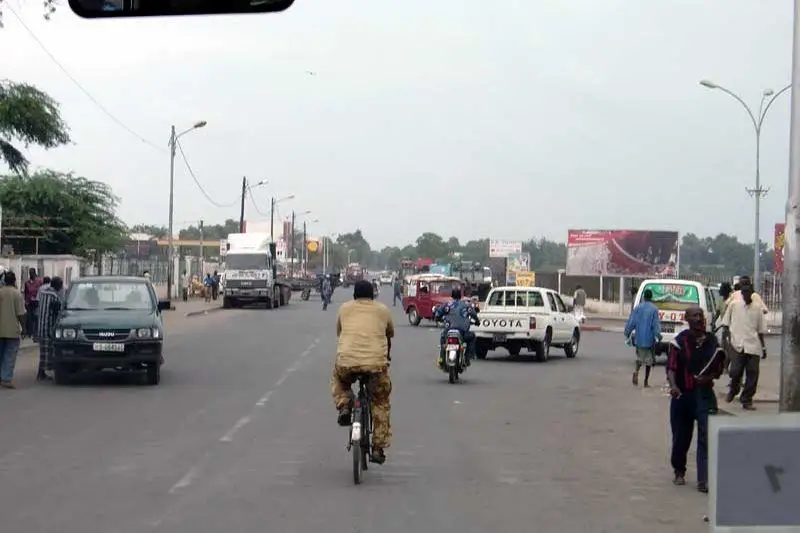
Djibouti is broadly stable, and the official advice does not discourage tourist stays. The United Kingdom does advise against all travel to the border with Eritrea. A documented terrorist risk weighs on places frequented by foreigners, and petty crime exists in the city. Basic caution is enough in the tourist areas.
This page is dated, and that is deliberate. The points below reproduce the official British advice in its version updated on 27 July 2026, still in force on the date of 11 September 2026, together with the French travel advice. Official positions change without notice: check them before you leave.
Is Djibouti a safe country to travel in?
Djibouti receives travellers without major difficulty, and the official advice does not discourage tourist stays in the classic areas: Djibouti City, Arta, Lake Assal, the Gulf of Tadjourah, the Obock region. The country has not known armed conflict on its soil since the 1990s, and its security apparatus is dense.
That does not mean the risk is nil. Three structural factors weigh on the country, and they need to be known before departure:
- proximity to Somalia and Djibouti’s engagement in African peace operations, which expose the country to documented terrorist threats;
- an unresolved border dispute with Eritrea, which justifies a no-go zone in the north;
- a demanding geography: extreme heat, isolated tracks, seismic and volcanic risk, flash floods.
The practical conclusion is simple: the tourist sites can be visited normally, provided you do not improvise journeys outside the capital.
What does the official advice say about safety in Djibouti?
| Source | Nature | Published position | Freshness |
|---|---|---|---|
| GOV.UK (FCDO), United Kingdom | Travel advice | No opposition to tourist stays; advises against all travel to the Eritrean border | Updated on 27 July 2026 |
| France Diplomatie, France | Travel advice | Stable situation in the city; vigilance over geopolitical, environmental and transport-related risks | Country page in force on 11 September 2026 |
The two sources converge in substance: the city and the tourist circuits are workable, and vigilance concerns the border zones, road travel and places frequented by foreigners. The British advice is the more detailed of the two and serves as the reference in the rest of this page.
Which regions of Djibouti are not recommended?
The British advice advises against all travel to the border between Djibouti and Eritrea. That zone lies in the north of the country, around Ras Doumeira, and corresponds to a long-standing border dispute, reopened by clashes in 2008 and never fully settled.
| Zone | Official position | What to take from it |
|---|---|---|
| Djibouti – Eritrea border (north) | Travel formally advised against | No major tourist site: the question does not arise for a classic stay |
| Djibouti City and its outskirts | No restriction | Ordinary city caution, especially after nightfall |
| Arta, Lake Assal, Goubbet, Tadjourah | No restriction | Travel possible, a suitable vehicle and a guide recommended |
| Lake Abbé and the desert zones | No published restriction | An isolated region, bordering Ethiopia: travel accompanied and registered |
| Gulf of Aden and Indian Ocean | Piracy risk reported | Concerns pleasure boating, not coastal excursions |
What is the terrorist risk in Djibouti?
The British advice contains a terrorism section, and it is explicit: attacks may be carried out in Djibouti, including indiscriminately, in places frequented by foreign nationals. The places listed are:
- transport hubs, starting with the airport;
- hotels, restaurants and bars;
- shopping areas;
- religious and sporting events;
- military bases.
The group Al-Shabaab is named as the main threat. The official advice explains that targeting by Djibouti’s participation in the African Union peace mission in Somalia and by its support for the Somali government, and recalls that the group has published public threats against the country.
What that changes in practice. It is not a matter of cancelling your trip, but of avoiding free-standing crowds, staying aware of your surroundings, following local media and respecting the instructions of the authorities. The natural sites — Lake Assal, Goubbet, the Moucha and Maskali islands — do not appear among the targets listed.
What is the current political situation in Djibouti?
The country is stable. The official advice reports neither domestic unrest nor any protest movement liable to disrupt a stay. Djibouti hosts several foreign military bases on its soil, which contributes to a dense security presence in the capital.
Stability does not dispense with the usual precautions. Travellers who leave the tourist circuit — missions, work, a long stay — would do well to register with their consular representation and to follow the alerts published by their ministry of foreign affairs.
How do you avoid petty crime in Djibouti?
The British advice reports a risk of petty crime and recommends two precise precautions:
- do not walk alone late in the evening;
- keep valuables out of sight, cameras and passports in particular.
To that add local rules that have nothing to do with crime but expose you to real trouble:
| Subject | Documented local rule |
|---|---|
| Photography | Photographing infrastructure — ports, public buildings, airports, military installations, bridges — is prohibited. Equipment may be confiscated and you may be arrested |
| Alcohol | Alcohol is permitted, but public drunkenness is punishable by two years in prison |
| Driving | Driving generally unsafe, narrow and poorly lit roads, vehicles sometimes without lights, livestock on the carriageway, many lorries on the Djibouti – Ethiopia axis |
| Roadblocks | Coils of barbed wire are sometimes used as roadblocks: hard to see at night, they mean you should not drive outside built-up areas after nightfall |
| Boat travel | Risk of piracy and armed robbery reported in the Gulf of Aden and the Indian Ocean |
What should you know about Ramadan and local customs?
During Ramadan, the British advice asks you not to eat, drink, smoke or chew gum in public during the day, including in your car, not to play loud music, not to dance and not to swear in public. Opening hours of shops and administrations change, and some establishments separate non-fasting customers from Muslim customers during fasting hours.
Outside Ramadan, customs remain those of a Muslim country: covering dress in religious sites and traditional districts, discretion about displays of affection in public, respect for places of worship. The official advice recalls that public decency law may be invoked for behaviour judged offensive.
What should you do in an emergency in Djibouti?
In a medical emergency, the number published by the British advice is 21 35 09 62 or 21 35 27 12: ask for an ambulance. In the event of a serious incident, contact your consular representation and your insurer immediately, and keep a digital copy of your documents.
Two natural risks are documented and deserve preparation: flash floods, rare but brutal, particularly around Djibouti City, and earthquakes and volcanic eruptions, the country sitting on a junction of active plates. Keep away from flooded areas and follow the instructions of the local authorities.
Finally, if you drive, note that the British advice states that a UK photocard licence is accepted for twelve months in Djibouti; beyond that, a local licence must be obtained from the Ministry of the Interior. Check the validity of your own licence with your consular representation.
What does this page not publish?
We publish neither a numbered alert level, nor a personal assessment presented as official advice, nor a list of neighbourhoods “to avoid” that the official sources do not publish. Travel advice is revised regularly: consult the British page and the French page a few days before departure, not months in advance.
Frequently asked questions
Is Djibouti safe?
Yes for the classic tourist circuits, with documented reservations. Neither the British nor the French official advice prohibits stays in Djibouti City, Arta, Lake Assal or the Tadjourah region. The United Kingdom does advise against all travel to the Eritrean border. A terrorist risk weighs on places frequented by foreigners, and caution remains necessary.
What is the current political situation in Djibouti?
The country is stable and has not known armed conflict on its territory since the 1990s. The official advice describes a calm domestic situation, with no protest movement liable to disrupt a tourist stay. The risks highlighted are first of all external: proximity to Somalia, military engagement in African peace operations, and a long-standing border dispute with Eritrea.
Which areas of Djibouti should you avoid?
The British advice advises against all travel to the border between Djibouti and Eritrea, in the north of the country, because of an unresolved border dispute and a risk of incidents. That zone contains no major tourist site. The regions of the interior remain accessible by track, but require a suitable vehicle, a guide and serious preparation.
How should you dress in Djibouti?
In a covering and discreet way, particularly during Ramadan. The official British advice recalls that clothes which do not respect local customs can cause more offence during that period, and recommends following the dress codes in force. For religious sites, cover your shoulders and legs. On tourist beaches, swimwear remains accepted.
Which vaccinations are compulsory in Djibouti?
The only certificate required on entry is that of vaccination against yellow fever, and only for travellers arriving from a country classified as at risk of transmission. No other vaccination is imposed by the authorities on entry. Personal vaccination recommendations, however, are discussed with a doctor at least eight weeks before departure: our health page sets out the procedure.
Sources
Practical
Read next
4×4 with a driver in Djibouti: prices and itineraries
Accessibility in Djibouti: what a demanding trip implies
Boat hire in Djibouti: trips out to sea
Budget in Djibouti: what does a trip cost on the spot?
Buses and taxis in Djibouti: fares by zone and route
Car hire in Djibouti: 4×4, saloon or driver?
Connectivity and SIM cards in Djibouti: internet and mobile
Djibouti airport transfer: taxi, fares and arrival