Travel insurance for Djibouti: cover to check

The official British advice makes travel insurance a precondition for departure to Djibouti: it asks you to check that the country can provide the necessary care and to hold cover for local treatment as well as medical evacuation. That requirement is reinforced in case of chronic illness or pregnancy. Also check that diving and excursions are covered.
Why this page is about cover and not about price. Insurance premiums vary with age, duration, level of cover and the activities declared, and no source we can cite publishes a reference rate for Djibouti. We therefore set out what the policy must cover, based on the official recommendations dated 27 July 2026, still in force on 11 September 2026.
Do you need travel insurance to go to Djibouti?
The official British advice makes it a check to carry out before departure, set out in two parts:
- ensure that the destination can provide the care you might need;
- hold insurance covering local treatment as well as medical evacuation in the event of an unexpected problem.
It adds that this point is particularly important in case of a pre-existing health problem or pregnancy. That is not a precautionary formula: Djibouti is a small country, with care concentrated in the capital, and a medical evacuation towards a neighbouring country or towards Europe represents a cost that very few travellers can absorb without cover.
| Situation | What the policy must cover |
|---|---|
| Minor accident or illness on the spot | Local care, consultations, medicines |
| Hospitalisation | Hospital costs and payment on your behalf |
| Medical evacuation | Medically supervised transfer to a suitable facility, outside the country if necessary |
| Epidemic or documented health risk | Cover according to the clauses, to be checked in the policy |
| Repatriation | Return of the traveller, and cover of early-return costs |
| Water activities | Diving, snorkelling, boat trips: often excluded by default |
What must travel insurance for Djibouti cover?
Five guarantees deserve an explicit check before you take out a policy.
1. Medical evacuation. It is the guarantee that costs the most when it is missing. Check the ceiling and the decision process: some policies require the prior agreement of their own doctor, which can delay the transfer.
2. Medical costs on the spot. Check the payment on your behalf: a policy that reimburses afterwards leaves you to pay the whole bill, which assumes available funds on the spot.
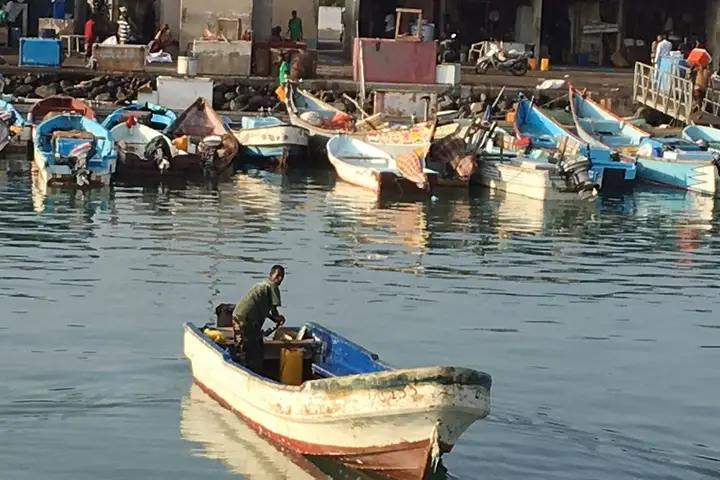
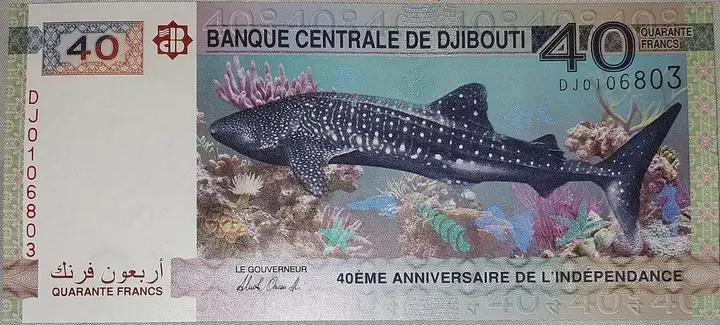
3. The activities you practise. Scuba diving, snorkelling and boat trips are among the most frequent exclusions in entry-level policies. Yet those are precisely Djibouti’s flagship activities: whale sharks in the Gulf of Tadjourah, diving at the Seven Brothers, trips to Moucha and Maskali.
4. Repatriation and early return. In the event of a serious accident or the death of a close relative, early return is not always included.
5. Cancellation. Djibouti is often booked several months in advance, particularly during whale shark season. Check the cancellation conditions of the policy and those of your booking.
Does insurance cover diving and snorkelling?
It is the question most badly handled by travellers, and the most costly when badly put. Three points to check:
- the depth covered: many policies cap diving at a given depth, beyond which you are no longer insured;
- the supervision required: the cover often applies only if the dive is done in a supervised setting, with a certified professional;
- prior declaration: certain activities must be declared and paid for as a supplement, failing which the cover is void.
For snorkelling, the exclusion is less systematic but it exists. As those trips are done by boat, they often fall under the water sports category, with the same restrictions. Also remember to check cover for 4×4 travel on track, frequent as soon as you leave the capital.
Should you declare your activities to the insurer?
Yes, as soon as an activity falls outside ordinary tourism — and the declaration is made before departure, not after the accident. Three cases come up systematically in Djibouti:
- scuba diving: it is the activity most often excluded by default, and the most expensive to cover as a supplement;
- hiking in an isolated area: the Moussa Ali massif, the Forêt du Day, the Abourma engravings. Remoteness makes any evacuation long and costly, which justifies a high ceiling;
- nights in camps and boat trips: poorly covered by entry-level policies, even though they form the heart of a stay in Djibouti.
Four elements of the policy deserve reading before signing: the age limits, how medical history is treated, the geographical area covered — some policies exclude border zones, which is not trivial since the United Kingdom advises against the Eritrean border — and the waiting period applicable to certain guarantees.
When should you take out your insurance?
The right moment is at the time of booking, not the day before departure. The reason is simple: cancellation cover only applies to what happens after the policy is taken out. Taking it out after paying for your stay deprives you of the most frequently used protection.
| Moment | What to do |
|---|---|
| At booking | Take out the policy, to activate the cancellation cover |
| Eight weeks before | Review vaccinations and medical matters, then check that the policy sets no condition |
| One week before | Re-read the exclusions, print the assistance card and save it offline |
| On arrival | Note the assistance number and that of your consular representation |
| If something goes wrong | Tell the insurer before paying significant costs |
What should you do in the event of hospitalisation on the spot?
The order of operations matters as much as the policy itself. The official British advice recommends contacting your insurance company quickly as soon as you are referred to a medical facility. In practice:
- Call the assistance number before committing to costs, if your condition allows.
- Save two medical emergency numbers published by the official British advice: 21 35 09 62 and 21 35 27 12. Call either one and ask for an ambulance.
- Tell your consular representation, which can relay to your insurer and your family.
- Keep every document: prescriptions, invoices, reports. Reimbursement without supporting evidence does not exist.
What about the cancellation conditions of your booking?
Insurance only covers what your provider does not refund. Bookable offers display different cancellation levels — several levels are practised depending on the provider — but the detailed deadlines and conditions are not always published explicitly. Before paying, ask in writing: what deadline, what percentage retained, and in which cases. A cancellation level announced without a dated deadline is unusable on the day you have to cancel.
What does this page not publish?
We publish no premium rate, no comparison of policies and no recommended cover ceiling: those elements depend on your profile, and no reference rate is public for Djibouti. Nor do we take a position on the quality of local care facilities, for want of a verified source. The guarantees described here reproduce the recommendations of the official British advice and the French travel advice.
Frequently asked questions
What is the price of travel insurance?
We publish no insurance rate, because premiums depend on age, length of stay, level of cover and the activities declared: the same cover can vary threefold. No source we can cite publishes a reference price for Djibouti. Compare on the content of the cover — evacuation ceiling, excess, sports covered — rather than on the premium displayed.
Do you need travel insurance for a trip?
For Djibouti, yes, and the official British advice makes it a check to carry out before departure. It asks you to ensure that the destination can provide the care you might need and to hold insurance covering local treatment as well as medical evacuation. It states that this point is particularly important in case of a pre-existing health problem or pregnancy.
Which vaccinations are compulsory to travel to Djibouti?
Only one certificate is required on entry: that of yellow fever, and only for travellers arriving from a country classified at risk of transmission. Personal vaccination recommendations are discussed with a doctor at least eight weeks before departure. Your insurance policy may require those recommendations to have been followed in order to cover certain complications: check the relevant clause.
Is Djibouti safe?
The official advice does not discourage tourist stays in Djibouti, but the United Kingdom advises against all travel to the Eritrean border. A documented terrorist risk weighs on places frequented by foreigners, and petty crime exists in the city. Those elements have no direct bearing on your policy, unless you practise an excluded activity or travel in a zone that is not recommended.
Is a bank card enough as travel insurance?
Rarely. The cover attached to bank cards is often capped, limited in time and conditional on paying for the whole trip with that card. It frequently excludes water sports and long-distance medical evacuation. Read your card's terms and compare them with a dedicated policy: in most cases, the card covers cancellation, not adventure.
Sources
Practical
Read next
4×4 with a driver in Djibouti: prices and itineraries
Accessibility in Djibouti: what a demanding trip implies
Boat hire in Djibouti: trips out to sea
Budget in Djibouti: what does a trip cost on the spot?
Buses and taxis in Djibouti: fares by zone and route
Car hire in Djibouti: 4×4, saloon or driver?
Connectivity and SIM cards in Djibouti: internet and mobile
Djibouti airport transfer: taxi, fares and arrival